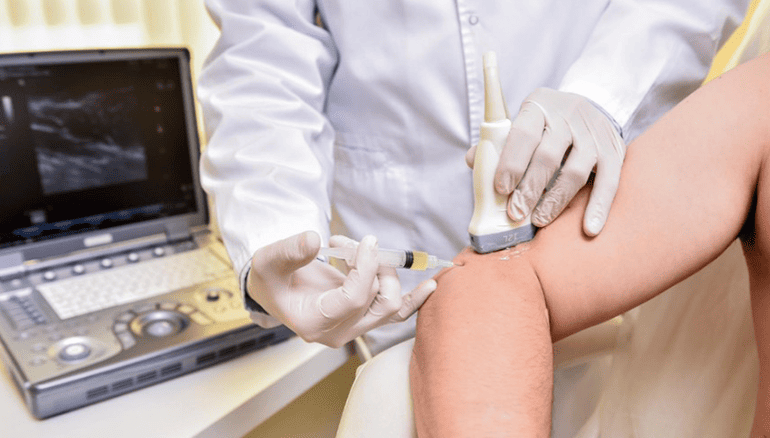
Regenerative medicine is shaping the future of orthopaedics with easier application, fewer drawbacks, and faster turnarounds. With advantages that benefit both doctor and patient, many often wonder if there’s a “catch”. There are those who assume that stem cell injections don’t offer lasting results, but there are plenty of success stories that disprove this misconception.
This guide reveals the truth of how long regenerative medicine injections last in Tampa, so patients can know what to expect when scheduling their orthopaedic treatment with Orthopaedic Medical Group Tampa Biologics.
Understanding PRP and BMAC
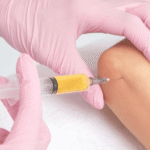
PRP and BMAC are not quick fixes—they are biologic therapies that work by stimulating tissue repair at the cellular level. PRP is derived from your own blood and contains a high concentration of growth factors, while BMAC is obtained from bone marrow and contains stem cells along with other healing components.
Because these treatments promote healing rather than simply masking pain, their effects tend to develop gradually over time.
When Do Patients Start Feeling Results?
Most patients begin to notice improvement within 2 to 6 weeks after their injection. However, this can vary depending on the condition being treated, the severity of the injury, and individual healing capacity.
For example:
- Mild tendon injuries may respond relatively quickly
- Chronic joint degeneration may take longer to show noticeable improvement
It’s important to remember that regenerative medicine is a process—not an instant result like a cortisone injection.
| For optimal results, orthopaedic doctors may suggest receiving up to 3 plasma-rich platelet therapy sessions spaced out a few weeks at a time. |
How Long Do the Effects Last?
The longevity of PRP and BMAC injections varies, but many patients experience benefits that last 6 months to several years.
Here’s a general breakdown:
- PRP injections: Often provide relief lasting 6–12 months, sometimes longer with repeat treatments
- BMAC injections: May offer longer-lasting results, often 1–2 years or more depending on the condition
In some cases, patients report continued improvement beyond a year as the healing process progresses.
Factors That Influence Longevity
Several factors determine how long regenerative medicine injections will last:
- Severity of the condition – Advanced arthritis or significant tissue damage may limit duration
- Location of the injury – Weight-bearing joints like the knee or hip may experience different outcomes than smaller joints
- Patient health and lifestyle – Smoking, poor nutrition, and lack of activity can negatively impact results
- Rehabilitation and compliance – Following post-procedure guidelines and physical therapy recommendations plays a major role
Do Patients Need Repeat Treatments?
Some patients achieve long-term relief with a single injection, while others benefit from a series of treatments. In many cases, a follow-up injection can enhance and prolong results, especially for chronic conditions.
Rather than a one-time solution, regenerative medicine is often part of a broader treatment strategy aimed at long-term joint preservation and function.
Setting Realistic Expectations
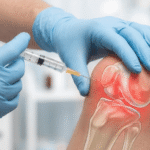
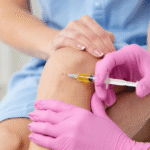
Regenerative medicine injections are not guaranteed cures, but they can significantly reduce pain, improve mobility, and delay or even prevent the need for surgery in the right candidates.
Patients who understand the gradual nature of healing and commit to a comprehensive treatment plan tend to experience the best and longest-lasting results.
Schedule a Consultation With Orthopaedic Medical Group Tampa Biologics Today For Regenerative Medicine Injections Near You
People dealing with chronic orthopaedic conditions in Tampa are seeing long-term relief and improved quality of life with modern regenerative medicine injections. Learn more about orthopedic conditions and orthobiologic treatments from the Orthopaedic Medical Group Biologics team. Call (813) 684-BONE (2663) to schedule a consultation appointment.