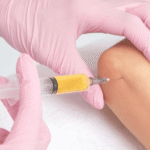
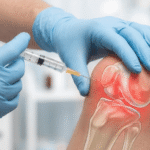
The use of orthobiologic treatment is very publicly known. The evolution in its practice, however, is a topic that is still being explored by those who are unfamiliar with the finer details. This guide aims to update those who want to know more about the future (and present state) of orthobiologics, such as its role in diagnostic imaging, artificial intelligence (AI) integration, and improved accuracy with precision injections. Orthopaedic Medical Group Tampa Biologics is a trusted source for advanced platelet rich plasma therapy in Tampa.

Learn more about orthopedic conditions and orthobiologic treatments from the Orthopaedic Medical Group Biologics team.

Advanced Imaging: Seeing Beyond the Surface

Imaging plays a crucial role in modern orthobiologics. High-resolution ultrasound, MRI, and CT scans allow physicians to pinpoint injuries with unparalleled accuracy. For instance, ultrasound imaging provides real-time visualization of tendons, ligaments, and joint spaces, enabling precise needle placement during injections. This reduces the risk of damage to surrounding tissues and increases the likelihood of successful outcomes. MRI and CT imaging complement this by revealing underlying structural issues that may not be evident in standard X-rays, ensuring a comprehensive treatment plan tailored to each patient.

Artificial Intelligence: Shaping the Future of Orthobiologics

Artificial intelligence (AI) is starting to play a role in healthcare, and it may become important in orthobiologic treatments in the future. AI can help doctors better understand injuries by analyzing medical images and identifying areas that may need treatment. While not widely used yet, AI has the potential to guide decisions about which therapies might work best for each patient and improve the precision of injections over time. As technology advances, AI could become a valuable tool in making orthobiologic care even more personalized and effective.

Precision Injections: Targeted Healing at Its Best

Precision-guided injections are the cornerstone of modern orthobiologic therapy. Using advanced imaging and AI-assisted planning, clinicians can deliver PRP, stem cells, or other biologics directly to the site of injury. This targeted approach maximizes the therapeutic potential of the biologic material, promoting tissue regeneration and reducing inflammation more efficiently than traditional blind injections. Patients experience faster recovery times, improved function, and reduced pain, all with minimally invasive procedures.

The Future of Orthobiologics

The combination of imaging, AI, and precision injections is setting a new standard for orthobiologic care. As technology continues to advance, we can expect even greater personalization of treatments, predictive outcome modeling, and integration of wearable devices for monitoring healing in real time. This convergence of innovation is not only improving outcomes for athletes and active individuals but also offering new hope for patients with chronic joint pain or degenerative conditions.

Trusted and reputable orthobiologic facilities like Orthopaedic Medical Group Tampa Biologics stay up to date with the latest advancements that prove to be helpful in treating patients in the surrounding area.

Experience Advanced Orthobiologic Solutions at Orthopaedic Medical Group Tampa Biologics

PRP and BMAC injections can be used to treat knee, shoulder, and hip pain, arthritis, osteoarthritis, tendonitis, tennis elbow, and rotator cuff tears. The evolution of orthobiologics will prove to deliver even greater results through innovative solutions. Contact Orthopaedic Medical Group Biologics of Tampa to set up your consultation or treatment today. Call our team at (813) 684-BONE (2663) to schedule a consultation.

Stem cell therapy triggers the body’s natural healing cells for expedited recovery. That’s its primary function, but not the only one. Reinforcing the body with proactive stem cell therapy can help avoid joint replacement surgery by decreasing the likelihood of an injury. Learn more about how this works before scheduling a consultation appointment with Orthopaedic Medical Group Tampa Biologics for orthobiologic treatments near you.

What Is Stem Cell Therapy for Joints?

Stem cell therapy uses the body’s natural repair cells to support healing and reduce inflammation. The stem cells—often derived from bone marrow or fat tissue—are injected directly into the damaged joint. Once there, they can encourage tissue repair, calm inflammation, and potentially slow down the progression of arthritis.

Unlike joint replacement surgery, which removes and replaces the damaged joint with an artificial implant, stem cell therapy is a minimally invasive treatment aimed at preserving your natural joint.

Why People Consider Stem Cell Therapy Before Surgery

For patients facing knee, hip, or shoulder replacement, surgery is often seen as a last resort. But joint replacement comes with certain challenges, including:

  • Long recovery times
  • Risks of infection or complications
  • Limited lifespan of artificial implants (often 15–20 years)
  • Possible need for revision surgery in the future

Because of these concerns, many patients are turning to stem cell therapy as a way to delay or even avoid joint replacement altogether.

Can Stem Cell Therapy Really Help Avoid Joint Replacement?

Research and patient outcomes suggest that stem cell therapy may be an effective alternative in certain cases. While not every patient will achieve surgery-free results, many report:

  • Reduced joint pain
  • Improved mobility and flexibility
  • Decreased inflammation
  • Better overall joint function

Stem cell therapy is most effective for patients in the earlier stages of joint degeneration. For example, someone with moderate arthritis may respond better than someone whose joint is severely damaged. In advanced cases, stem cell therapy may still help reduce pain and improve quality of life, but it may not fully replace the need for surgery.

Advantages of Stem Cell Therapy Over Joint Replacement

  1. Non-surgical option – No large incisions, implants, or hospital stays.
  2. Faster recovery – Most patients return to normal activities within days instead of months.
  3. Natural healing – Uses the body’s own repair mechanisms instead of artificial hardware.
  4. Repeatable treatment – Unlike surgery, injections can be repeated if symptoms return.

Is Stem Cell Therapy Right for You?

The decision between stem cell therapy and joint replacement surgery depends on several factors:

  • Your age and activity level
  • The extent of joint damage
  • Your overall health
  • Personal goals for mobility and lifestyle

A consultation with a regenerative medicine specialist or orthopedic doctor can help determine whether stem cell therapy could help delay or prevent the need for surgery.

Avoid the Need For Joint Replacement Surgery With Stem Cell Therapy at Orthopaedic Medical Group Tampa Biologics. Schedule a Consultation Today!

To circumvent the costs and physical trauma that may follow joint replacement surgery, schedule a consultation with Orthopaedic Medical Group Tampa Biologics for orthobiologic treatments in Tampa. Call (813) 684-BONE (2663) today.

The skepticism that causes some patients to reconsider stem cell therapies like platelet-rich plasma (PRP) injections often comes from a question of their legitimacy. Anyone who is uninformed on the full scope of the practice may express some concern for their health and well-being following these procedures. This is why the Food and Drug Administration (FDA) published official guidelines and regulations surrounding stem cell therapies, including practices that utilize platelet plasma injections in Tampa.

Here is everything you need to know about the state of stem cell therapy in 2025 before scheduling a consultation appointment for plasma-rich platelet therapy at Orthopaedic Medical Group Tampa Biologics:

Why FDA Guidance Matters in Orthopaedics

For patients hoping to avoid joint replacement surgery or long recovery times from invasive procedures, stem cell therapy sounds like a breakthrough. The FDA’s role is to ensure that any therapy offered is both safe and effective. Unfortunately, some clinics advertise stem cell injections for osteoarthritis, cartilage loss, or tendon tears without sufficient research or regulatory approval. This can leave patients vulnerable to treatments that may not deliver results—or worse, could pose safety risks.

The FDA’s updated 2025 guidance is focused on protecting patients while still encouraging the growth of legitimate regenerative medicine.

What’s FDA-Approved for Orthopaedic Care

As of 2025, the FDA has not approved stem cell therapies for common orthopaedic conditions like knee osteoarthritis, rotator cuff tears, or degenerative disc disease. The only widely approved uses of stem cells remain in hematology, such as bone marrow transplants for blood cancers and immune disorders.

That said, there is promising research underway. Clinical trials are actively evaluating whether stem cells can:

  • Help regenerate cartilage in arthritic joints
  • Improve healing of tendon or ligament injuries
  • Delay or prevent the need for joint replacement surgery

But until these trials provide consistent evidence and pass FDA review, stem cell therapies for orthopaedics remain classified as experimental.

The 2025 Crackdown on Unregulated Orthopaedic Clinics

Over the past decade, hundreds of clinics have marketed stem cell treatments directly to orthopaedic patients, often making bold claims such as “reverse arthritis” or “avoid surgery guaranteed.” Many of these treatments are costly, not covered by insurance, and lack FDA approval.

In 2025, the FDA has intensified oversight. Clinics offering stem cell injections for orthopaedic conditions must now clearly disclose when a procedure is experimental. Those that continue to promote unproven claims may face fines, product seizures, or closure.

For patients, this enforcement helps cut through the noise making it easier to identify legitimate providers who prioritize research and safety.

Questions Every Orthopaedic Patient Should Ask

If you are considering stem cell therapy for joint pain or injury in 2025, ask your provider these questions:

  • Is this stem cell treatment FDA-approved or experimental?
  • What peer-reviewed studies support its use for my orthopaedic condition?
  • What outcomes can I realistically expect? 

Asking these questions ensures you understand both the potential benefits and the current limitations of regenerative treatments.

Looking Ahead

The future of regenerative medicine in orthopaedics is promising. Stem cell research may one day make it possible to rebuild cartilage, accelerate tendon repair, and reduce the need for joint replacements.

Patients interested in these treatments should work with reputable orthopaedic specialists who are transparent, research-driven, and committed to patient safety. With the right balance of innovation and regulation, stem cell therapy could play a transformative role in the future of orthopaedic care.

Schedule Safe Regenerative Therapy With Orthopaedic Medical Group Tampa Biologics

Contact Orthopaedic Medical Group Biologics of Tampa to set up your consultation or treatment today. We guarantee FDA compliance with all available stem cell therapies. Call us today to learn more about FDA guidelines and to ask for PRP injection prices near you.